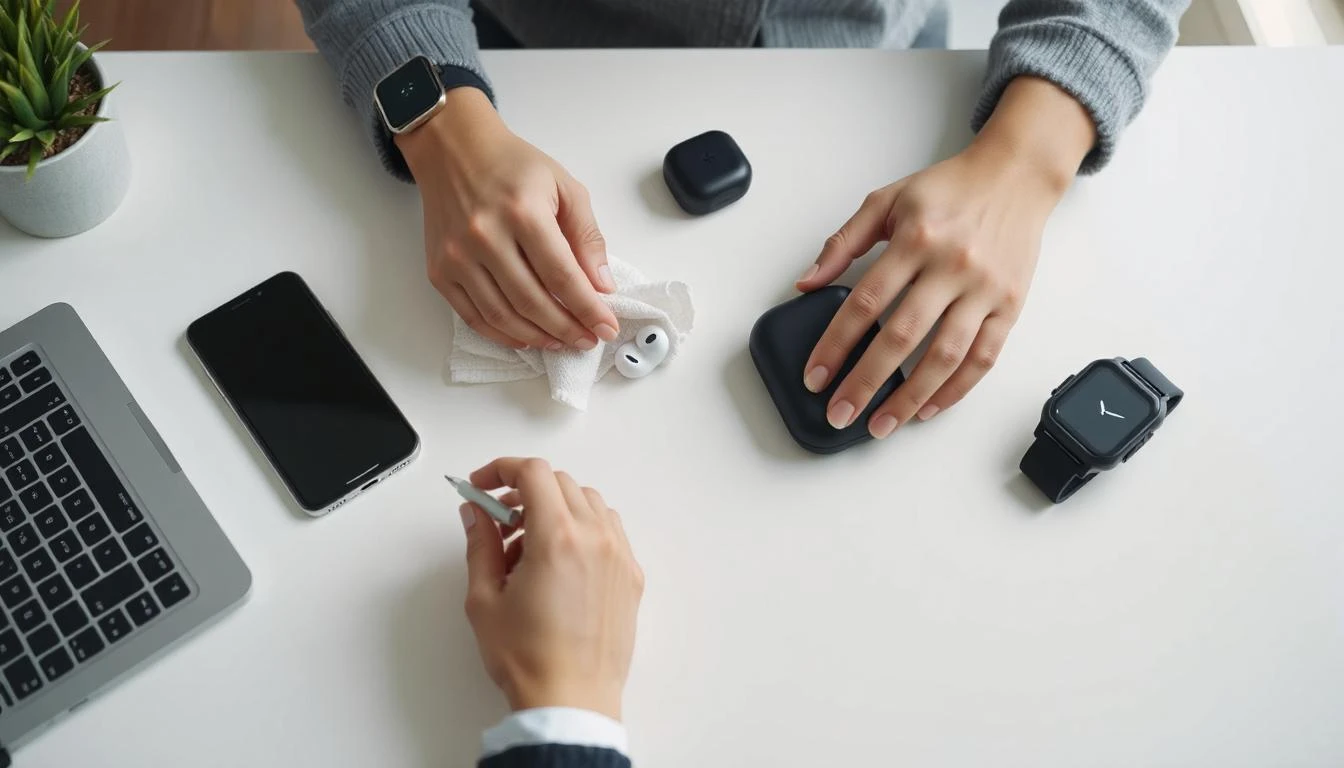
Minimal Everyday Essentials
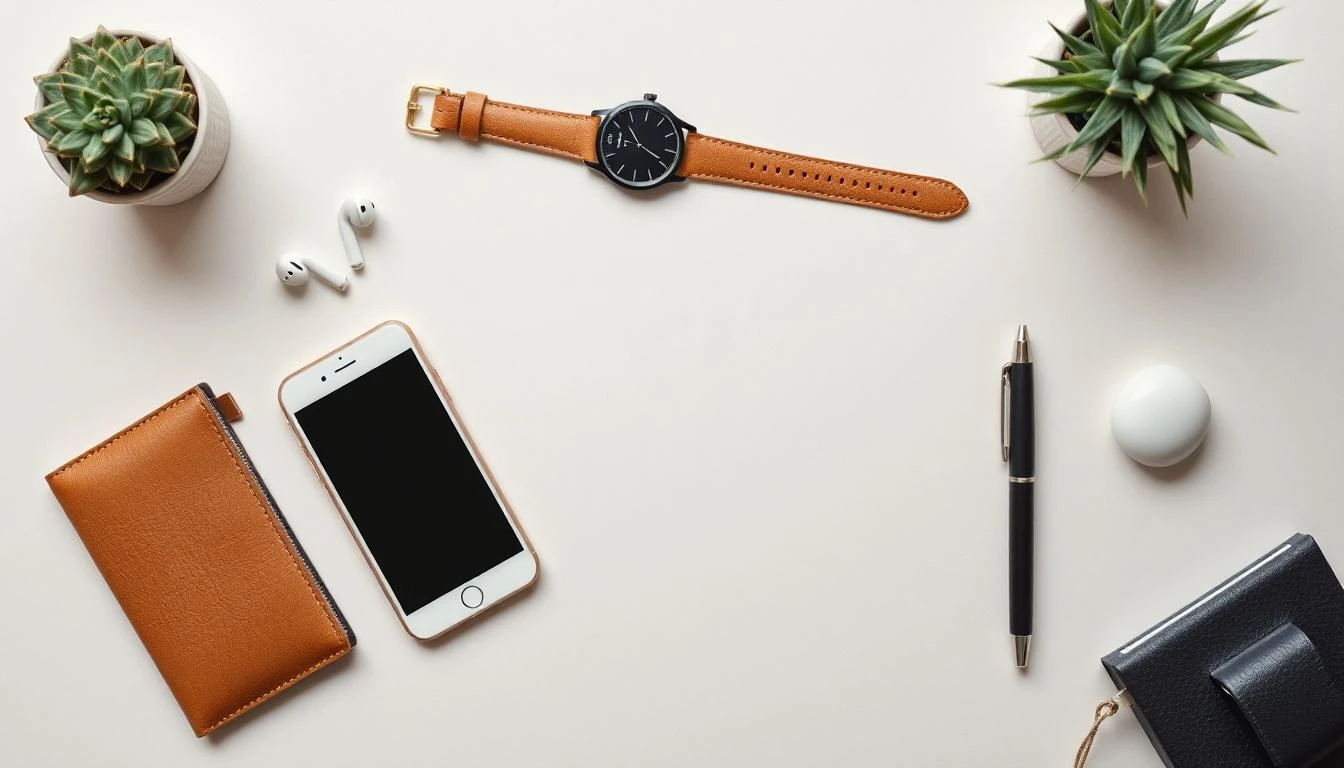
Living today feels a bit like carrying an invisible backpack that keeps getting heavier without permission. Every object, app, and habit adds silent weight to your attention span, until even simple decisions start to feel oddly exhausting. That’s why many people are slowly shifting toward a more intentional way of living, where clarity matters more than accumulation.
A minimal lifestyle essentials pack is not just about owning fewer things, but about reshaping how daily life flows with purpose and direction. It connects directly with everyday essentials simple living, where each item has a role, a function, and a reason to exist in your routine. As Marie Kondo once said, “The question of what you want to own is actually the question of how you want to live,” and that idea quietly sits at the heart of this entire approach.
Understanding Minimal Lifestyle Needs
Minimal living starts with understanding what actually supports your daily rhythm instead of disrupting it. This is where clarity begins to replace clutter, and intentionality starts shaping your environment in subtle but powerful ways. The idea of everyday essentials simple living becomes especially relevant when you begin questioning what truly deserves space in your life and what is simply occupying it without purpose.
Decluttering daily carry items
Daily carry items often become silent collectors of chaos. Old receipts, unused cards, tangled cables, and forgotten objects build up without notice. A minimal lifestyle essentials pack encourages stripping this down to only what supports your immediate function, making your movement through the day lighter and more efficient.
Functional item prioritization
Not everything you own deserves equal importance. Some items actively support productivity, while others simply exist out of habit. Prioritizing functionality helps reshape your relationship with objects, turning ownership into a conscious decision instead of an automatic behavior.
Space saving principles
Space is not just physical, it is psychological. When your environment feels open and structured, your mind follows the same pattern. Modular storage and multi-use tools are key principles here, reducing unnecessary visual and mental noise.
Core Everyday Essential Categories
Once the unnecessary layers are removed, the focus shifts toward selecting items that genuinely support your daily performance and comfort. This stage is where minimalism becomes practical rather than theoretical. The keyword simple living essentials checklist often appears in search behavior because people want structured guidance rather than abstract ideas.
Tech essentials for mobility
Modern life is mobile, and your tools should match that rhythm. Lightweight devices, compact chargers, and multifunction adapters help reduce friction in movement while maintaining productivity across environments.
Personal care simplicity tools
Instead of overcomplicated routines, minimal living encourages streamlined care systems. A few reliable grooming and hygiene essentials are enough to maintain consistency without overwhelming your space or decision-making.
Work and study basics
A focused setup requires surprisingly little. A stable device, a clean workspace, and a distraction-free environment often outperform complex setups filled with rarely used accessories. Simple setups like this quietly boost clarity, letting your attention stick longer without constantly getting pulled in different directions.
Minimalism in Modern Living
Minimalism today is less about aesthetic perfection and more about cognitive clarity. It is about removing friction from decision-making and allowing attention to flow where it matters most. The concept of decluttering digital lifestyle habits plays a major role here, especially in environments dominated by constant notifications and information overload.
Reducing digital overload
Digital clutter accumulates quietly. Apps, tabs, messages, and alerts create invisible stress. Reducing this overload helps restore mental bandwidth and improves focus in measurable ways, especially when you stop treating every notification like it deserves immediate attention.
Simple productivity systems
Systems like time blocking and task prioritization simplify how work is handled. James Clear once noted, “You do not rise to the level of your goals, you fall to the level of your systems,” highlighting how structure determines outcomes more than motivation.
Sustainable consumption habits
Buying with intention rather than impulse changes not only your space but also your mindset. Sustainable choices reduce waste and create long-term balance between need and ownership. A minimal lifestyle essentials pack naturally supports this shift by encouraging fewer but higher-quality decisions in everyday life.
Build a Simpler Life with Essential Everyday Choices
At this point, minimal living becomes less about theory and more about consistent action. Each choice either reinforces simplicity or adds unnecessary complexity back into your system. This is where awareness turns into habit. The idea of compact everyday essentials setup often appeals to those seeking practical transformation rather than extreme lifestyle change. It is about making simplicity functional, not symbolic. Every small decision contributes to a larger structure of clarity, where less noise creates more space for focus, creativity, and emotional balance.